
Field notes
Stories, craft, and process notes.
Behind-the-scenes thinking on illustration, comics, motion, and the work that makes them land.
Sadiq Shah
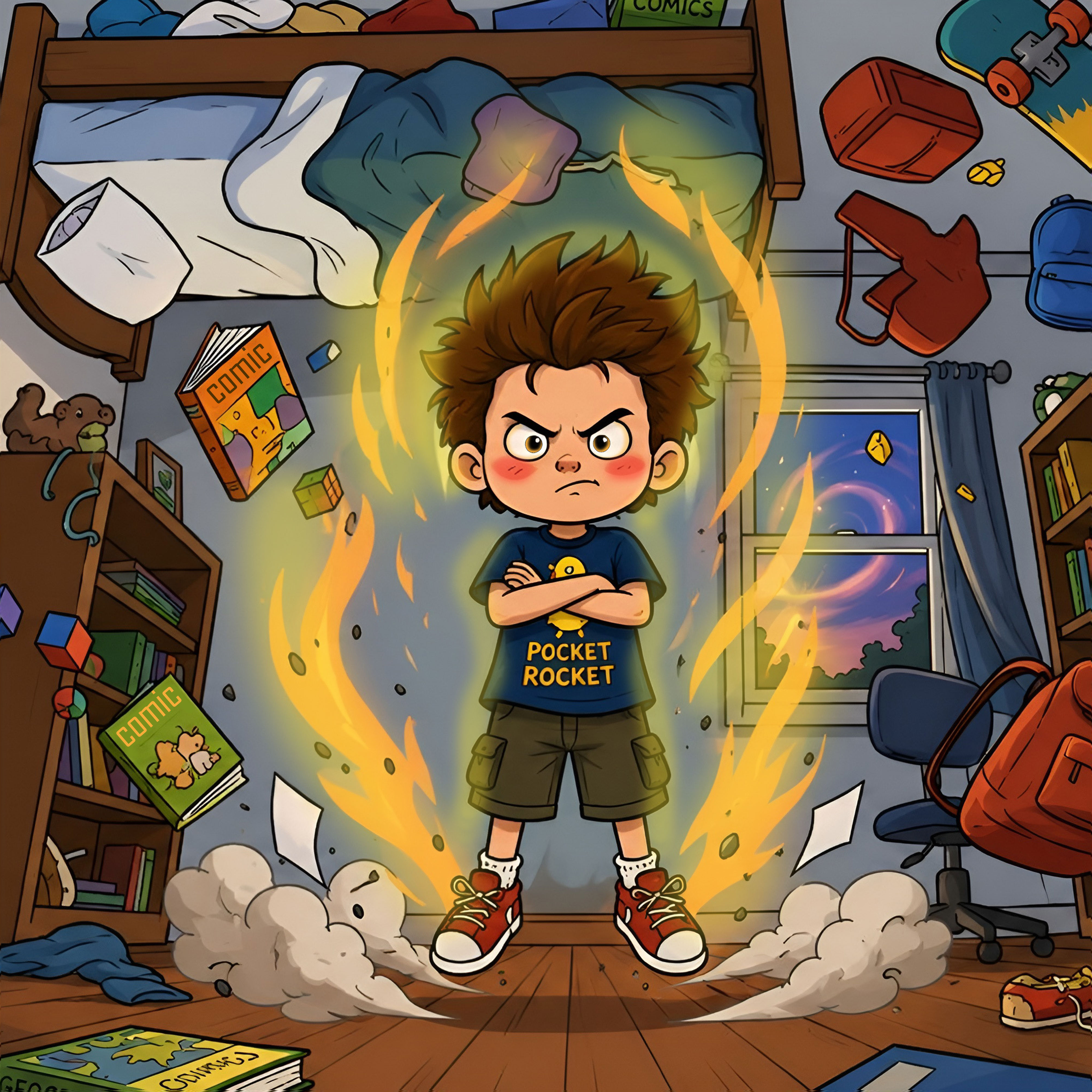
Every project we ship goes through the same first step — rough drawing. Not finished art. Not pretty boards for client decks. Just 30-40 thumbnails on a single page, sketched in five minutes per frame, trying to feel out the shape of the story.
We've found that drawing first — before the script gets locked, before the brief gets pretty — is the cheapest way to find out whether an idea actually works.
A script can describe a scene. A storyboard commits to it. The difference matters more than people realise.
Dialogue. Subtext. The specific texture of language. We do those after the boards — once we know what shape the scene wants.
If the boards don't read, no amount of dialogue polish will save the scene. If the boards do read, the writing just has to not screw it up.
Take any 60-second moment you're stuck on — a scene that "should work but doesn't." Set a 10-minute timer. Draw it in 8 panels using stick figures. No detail, no pretty lines.
You'll know in those 10 minutes whether the moment has a shape, or whether it's a script-only fantasy. Most of the time it's the second thing.
That's not a failure. That's the storyboard doing exactly what it's supposed to do.
Keep reading

Brand systems rot when they chase trends. Here's how we design identities that still look intentional after five seasonal trend cycles.

If you've ever sent five rounds of revisions and still gotten something wrong, the brief was the problem. Here's the format we wish every client used.

If you're picking between a comic series and a motion piece for the same story, you're probably picking based on production cost — and missing the point.