
Field notes
Stories, craft, and process notes.
Behind-the-scenes thinking on illustration, comics, motion, and the work that makes them land.
Sadiq Shah

Every six months the design world declares a new aesthetic. Brutalism is back. Then sci-fi minimalism. Then maximalist gradients. Then back to the same brutalism but darker.
If you're building a brand identity from inside that churn, you've got a problem. The trend you launch on is going to feel dated before your launch campaign ends.
It's not the choice of trend. It's the depth of the system underneath the trend.
When trends move on, the depth stays. You just update the surface.
Solve the typographic system first. Solve the spatial grid second. Pick colours third. Then design the logo. A logo designed without those decisions made first is just a sticker.
Pick three things your brand will never look like. Write them down. When someone — usually a stakeholder — suggests one of those things three months in, you have a sentence to point at, not a feeling to defend.
The identity has to work on a 16×16 favicon AND a billboard. Design for both edges and the middle takes care of itself.
For most brands, the answer is a small, opinionated colour palette (3–5 colours), one or two type families with explicit hierarchy rules, a 4-point spatial grid, and a motion principle ("everything cubic-bezier(0.22, 1, 0.36, 1), 600ms or under").
That's it. Nothing trendy. Everything intentional.
The brands that look right in five years are the ones that decided what they were, then stayed there.
Keep reading
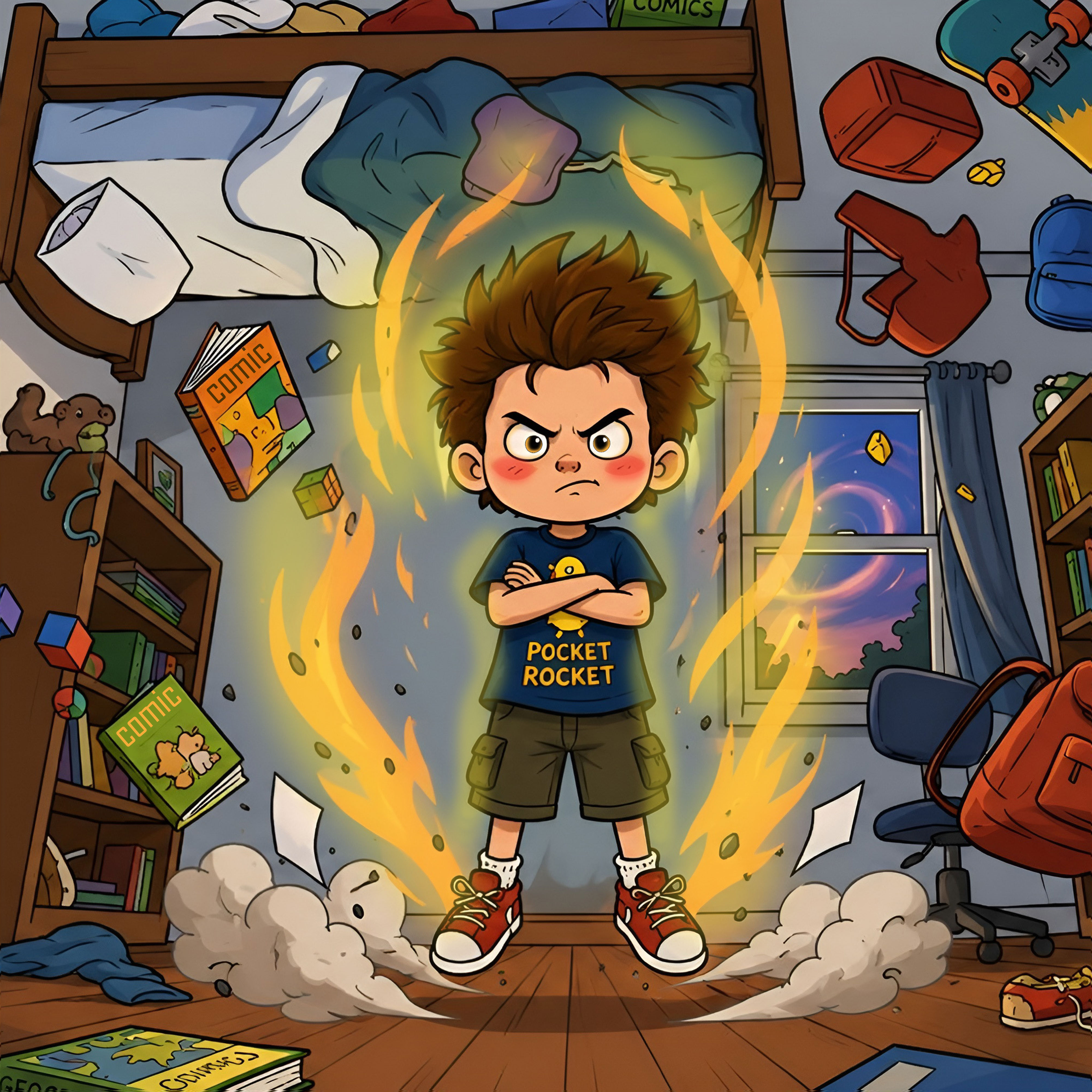
Storyboards aren't a side step on the way to a script — they're how we find the story in the first place. Here's how we use rough drawing as a thinking tool.

If you've ever sent five rounds of revisions and still gotten something wrong, the brief was the problem. Here's the format we wish every client used.

If you're picking between a comic series and a motion piece for the same story, you're probably picking based on production cost — and missing the point.