
Field notes
Stories, craft, and process notes.
Behind-the-scenes thinking on illustration, comics, motion, and the work that makes them land.
Aiman R.

Authors and brand teams keep asking us the same question: "Should this story be a comic series or a motion piece?"
The wrong way to answer that question is "whichever is cheaper to produce." Production cost matters, but it's downstream of a more important call — which format the story actually wants to live in.
Stories carry energy in different ways. Some carry it through controlled pacing — the reader sets the rhythm. Others carry it through imposed pacing — the maker sets the rhythm.
If the energy of the story needs the reader to set the rhythm — quiet beats, internal monologue, complex world-building you want them to absorb at their own speed — comics. If the energy depends on momentum the maker controls — chase scenes, emotional buildup, anything where the timing is the meaning — motion.
Most projects do both. The launch reveal is motion. The deep storytelling lives in a comic series. The merchandise lives in panels. The trailer cuts from the comic.
If you're forced to pick one — and budgets often force exactly that — start from where the energy of the story is, not from production cost. Cost is downstream of fit.
The cheapest format for the wrong story still costs more than the right format. Always.
Keep reading
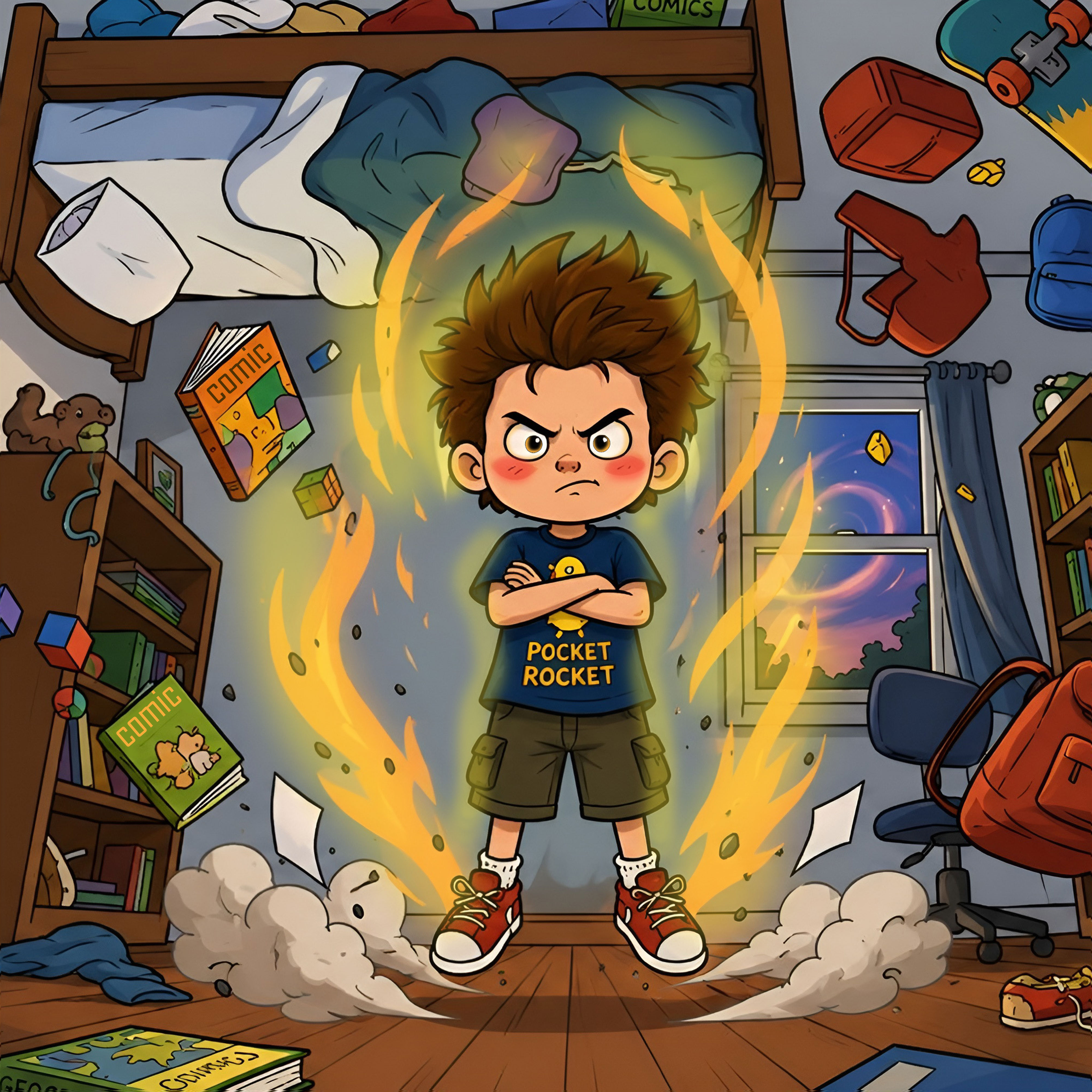
Storyboards aren't a side step on the way to a script — they're how we find the story in the first place. Here's how we use rough drawing as a thinking tool.

Brand systems rot when they chase trends. Here's how we design identities that still look intentional after five seasonal trend cycles.

If you've ever sent five rounds of revisions and still gotten something wrong, the brief was the problem. Here's the format we wish every client used.