
Field notes
Stories, craft, and process notes.
Behind-the-scenes thinking on illustration, comics, motion, and the work that makes them land.
Kabir Z.

You can render a character at the highest possible quality and still have it feel like a doll. You can paint a character roughly and have it feel like a real person you'd recognise across a crowd. The difference isn't rendering. It's something else.
After enough years drawing characters professionally, we've narrowed the gap down to five tells. Get all five right and the character feels alive. Miss two and the painting is technically beautiful but emotionally cold.
Real human faces are never symmetric. The two halves carry slightly different tension. A smirk pulls one side of the mouth higher than the other. A worried thought lifts one eyebrow more than the other. Symmetric expressions read as posed — corporate, sterile, dead.
Practice tip: when you finish a face, ask "which side is feeling the emotion harder?" If both sides are feeling it the same, you've drawn a mannequin.
Real expressions are contradicted. Smiling eyes with a flat mouth (private amusement). Tight eyes with a forced smile (politeness over discomfort). Mouth set, eyes vulnerable (someone trying to look fine).
If the eyes and mouth express the same emotion at the same intensity, the character is acting, not being.
Squint at your character. Reduce them to a black silhouette. Can you still tell who they are? Their posture, weight distribution, how they take up space?
Most flat characters die at this test. Their silhouette is generic. Add a specific posture habit — they tilt their head, lean on one hip, hunch one shoulder — and the silhouette becomes them.
Top-light makes them angelic. Side-light makes them dramatic. Bottom-light makes them sinister. Flat light makes them commercial — and "commercial" is usually code for "lifeless."
If you can't justify your light direction in one sentence ("she's lit from below because she's the one bringing the bad news"), the lighting is decoration, not storytelling.
This is the one most amateurs skip. Use one real person as a reference for the spirit of the character — not the face, the spirit. A specific actor's energy. A friend's particular way of being annoyed. Your grandma's exact half-smile when she knew you were lying.
The references doesn't show up in the final art, but the spirit does. Without it, characters drift toward archetype. With it, they feel like someone you actually know.
Five tells. Asymmetry, contradicted expression, distinctive silhouette, intentional light, one real spirit reference. Get all five and the character is alive.
That's the gap.
Keep reading
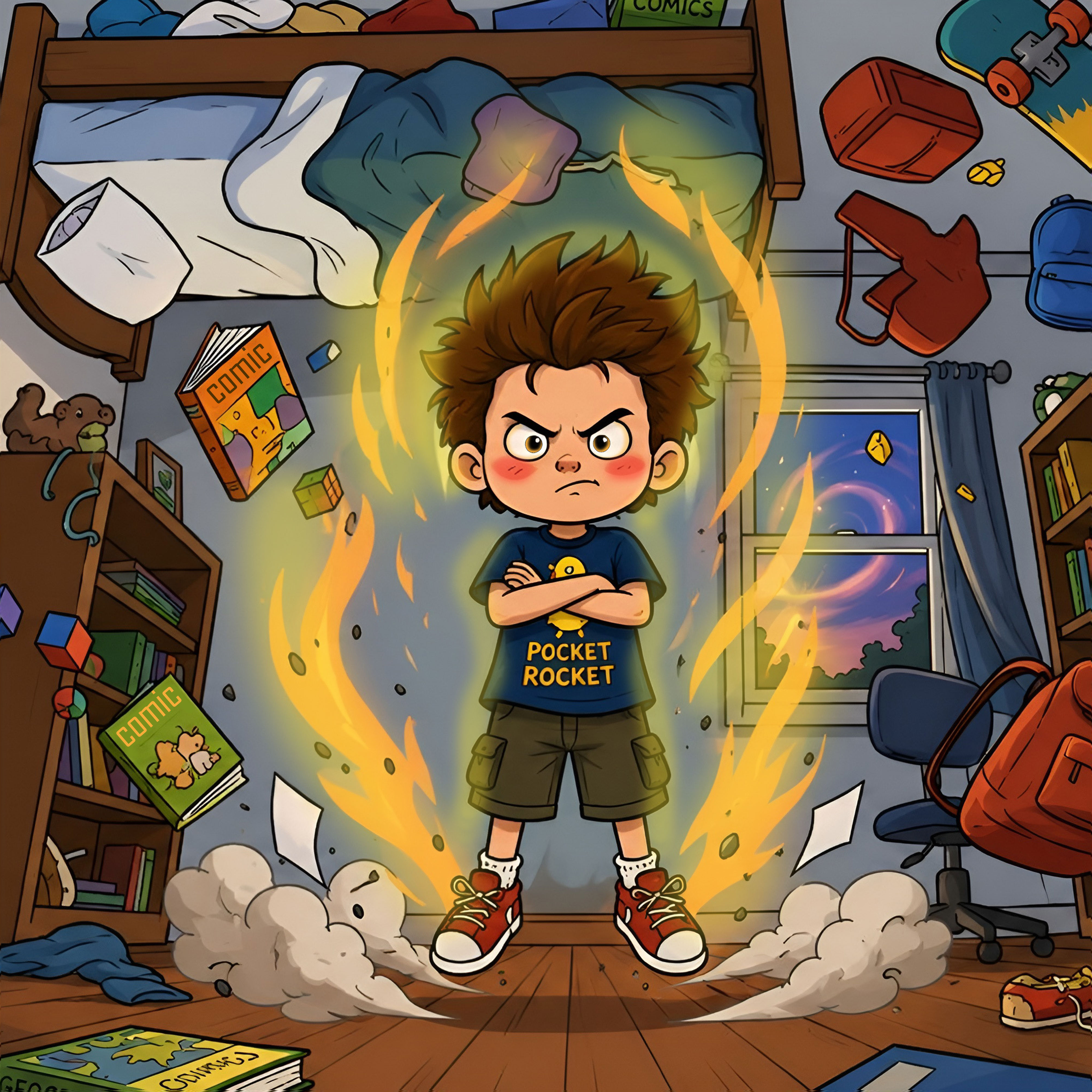
Storyboards aren't a side step on the way to a script — they're how we find the story in the first place. Here's how we use rough drawing as a thinking tool.

Brand systems rot when they chase trends. Here's how we design identities that still look intentional after five seasonal trend cycles.

If you've ever sent five rounds of revisions and still gotten something wrong, the brief was the problem. Here's the format we wish every client used.